March 03, 2026
Why Fashion is Finding Joy in Fantasy and Nostalgia
 House of Colour | Read in 5 minutes
By Joanne Yulan Jong
Couture shows in Paris have always marked the height of the season. They are the moments when designers step away from commercial pressures and offer us their clearest creative vision. This year, something notable happened. While past seasons often focused on scale and spectacle, this one turned toward imagination, nostalgia and emotional ease.
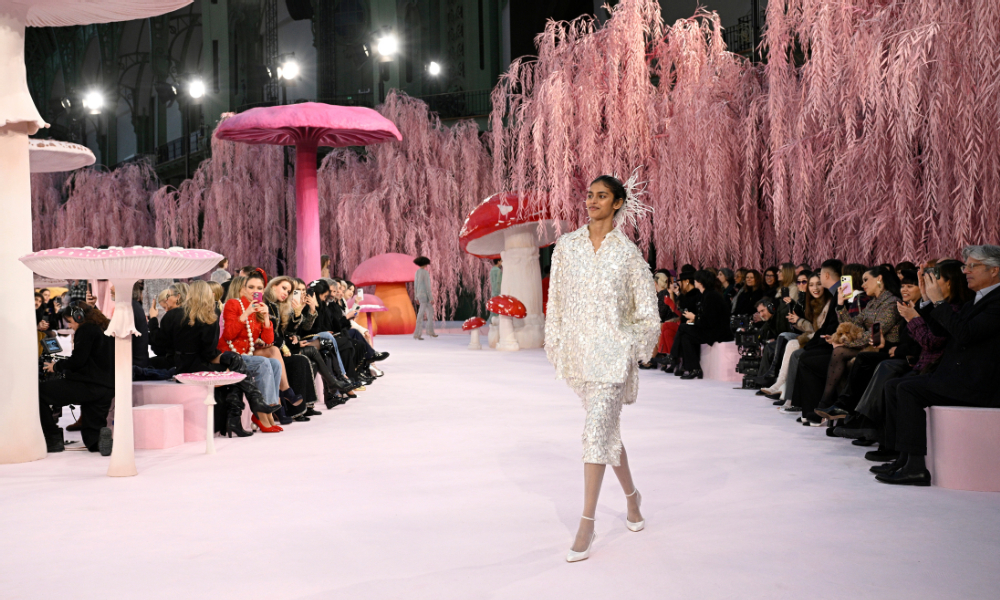
At Chanel, a soaring and familiar Disney soundtrack opened the show and set the tone as the models emerged into a fantasy land of oversized mushrooms. It created an atmosphere that felt soft and comforting. As I watched it, I felt myself smiling.
“Everything spoke the language of magical realism. Inspired by a Japanese haiku, Blazy thought of the lightness of a bird that lands for a moment on a mushroom and then flies away. It was only ten minutes, but one left the show feeling good.” - The Business of Fashion
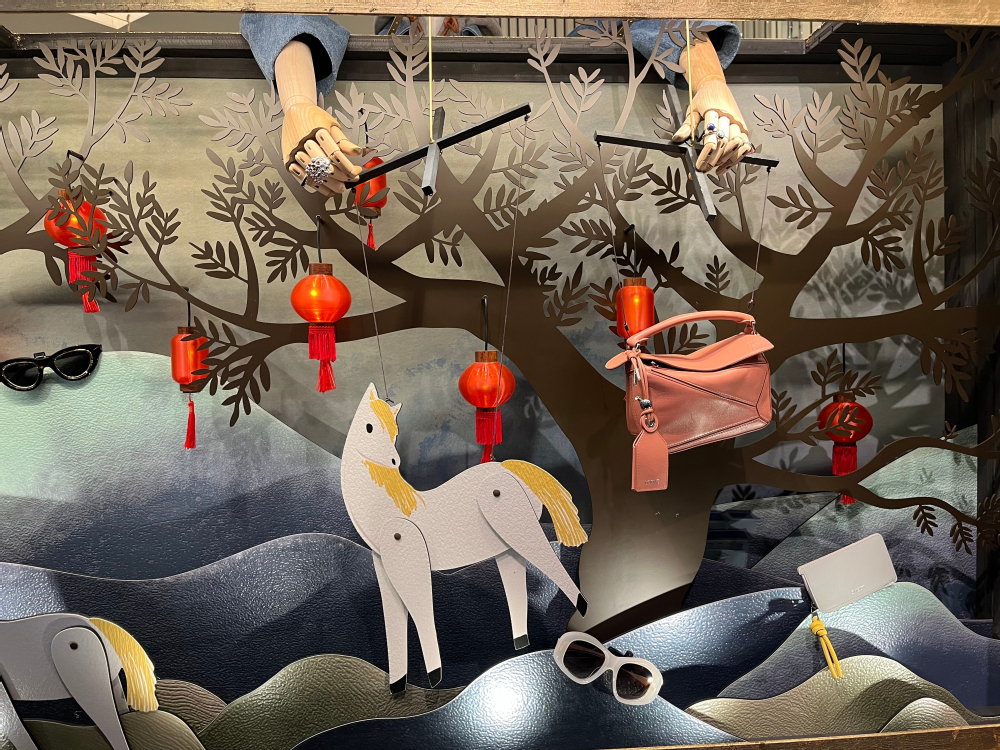
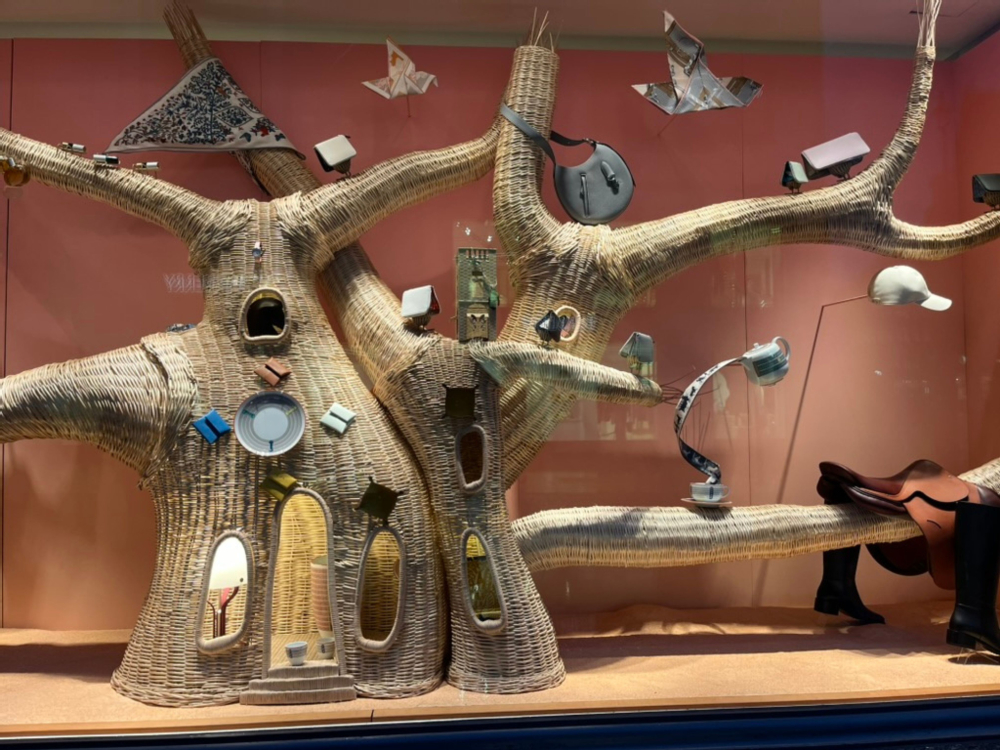
On Bond Street, feel‑good store windows, ready for the influx of buyers and press for the recent London Fashion Week, echoed the same shift. Playfulness and storytelling were everywhere. I was struck by the childish angle and uplifting creative spirit.
The broader mood perhaps explains why this is happening. After years of minimal and tightly defined trends, the industry is moving toward something more personal. More emotional. Clean lines and strict rules created an aesthetic that was easy to copy and eventually predictable.
I’ve worked in fashion for decades, and the cycles of fashion come and go. However, the world around us has fundamentally changed. Digital overload, constant news cycles and general uncertainty have pushed people toward clothing that offers warmth, identity and a sense of individuality. Designers have responded by tapping into elements that feel authentic and emotionally stabilising.
But are there other forces shaping these nostalgic and playful themes?
According to Bain & Company, global luxury customers, amid macroeconomic uncertainty and steep price increases, have triggered an exodus of aspirational shoppers. “This trend, particularly acute among Generation Z, whose advocacy for luxury brands continued to decline, has caused the luxury customer base to shrink by about 50 million people over the last two years.” This scale of loss has obliged brands to rethink how they entice those shoppers back.
It is not just about introducing more accessible price points. It is also about increasing the creative thought behind those products and making the shopping experience feel more welcoming and engaging. What better way to do that than by unleashing fun, nostalgia and fantasy on lavish catwalk shows, then inviting customers to buy into the brand through a playful accessory, a charm or a small moment of joy?
This turn toward whimsy is not superficial. Brands understand that many people are seeking moments of relief in their daily lives. Nostalgic elements evoke that feeling by reminding us of slower, less fragmented times.
Historian Agnes Arnold‑Forster, author of Nostalgia, describes it as “a complex and slippery emotion”, one that “reflects the anxieties of the age in which it appears”. In her work, she shows how nostalgia consistently emerges during moments of cultural unease, acting as a way to process dissatisfaction with the present while imagining a more reassuring future.
This is why we are seeing the return of lace, crochet, jacquard, fine buttoning, embroidery and other historically inspired, craft‑driven details. They bring tactility and meaning back into our wardrobes at a time when much of life feels filtered through screens.
This helps explain why designers for this Spring Summer 2026 have returned to heritage, craftsmanship and familiar visual codes. It is not about reenacting the past, but about finding emotional grounding within it.
These ideas are at the core of the House of Colour SS26 Style Guide. The season feels as if we are rediscovering the joy of dressing up, blending sentimental touches with everyday practicality. Couture provides the most extreme expression of this, a space where designers can explore fantasy without limits. Those ideas then filter into ready‑to‑wear and the high street.
This cultural shift is also supporting the rapid growth of vintage and resale. Resale is growing faster than the broader industry because people are seeking items with history, meaning and character. It aligns naturally with the desire for individuality and emotional connection in fashion.
The SS26 Style Guide highlights three themes that capture how fashion is reframing the past for the present.
- Romantic Fantasy focuses on softness and storytelling. Lace, draped silhouettes, heirloom‑style details and gentle metallic finishes create a mood that feels familiar without tipping into costume.
- Textured Travels draws from boho and Western references. Fringing, suede, denim and artisan textures deliver a grounded, tactile feel that counters digital flatness.
- Vintage Flashback looks to the 1980s. Strong shoulders, colour‑blocked combinations and cigarette pants offer structure and confidence without replicating the past too literally.
House of Colour personal stylists play an important role in helping individuals navigate these themes. Colour and style analysis cut through the noise of global trends, bringing the focus back to personal identity. This is increasingly valuable when trends are identity-led and emotionally driven.
By understanding colours that suit their natural skin tone and personal style, clients can adopt nostalgic elements that suit them rather than copying looks that feel inauthentic. This prevents nostalgia from tipping into costume and supports long‑term wearability.
In a digital‑first world, nostalgia is becoming a way to feel grounded. When people embrace trends such as Romantic Fantasy or Textured Travels, they are not simply following fashion. They are expressing values, memories and a desire for connection.
SS26 makes it clear that fashion is looking back to help us stay present. Designers are using the past as a resource to navigate the complexity of now. Fashion serves as a tool for stability, meaning and self‑expression. The season shows that nostalgia is not a retreat. It is a way to move forward with intention.
Joanne Yulan Jong is a Creative Strategist, Fashion Writer, and Author of the bestselling book The Fashion Switch: The New Rules of the Fashion Business. She is the founder of Yulan Creative, a consultancy specialising in brand strategy for fashion and lifestyle businesses. In 2020, she led the rebranding of House of Colour and continues to serve as a Non-Executive Director. You can follow Joanne on Instagram, Facebook and LinkedIn.