October 11, 2025
The Weekend Read✨Colour Confidence: Helping Young People Shine
 Jenny Goldsmith | Read in 11 minutes
Hello!
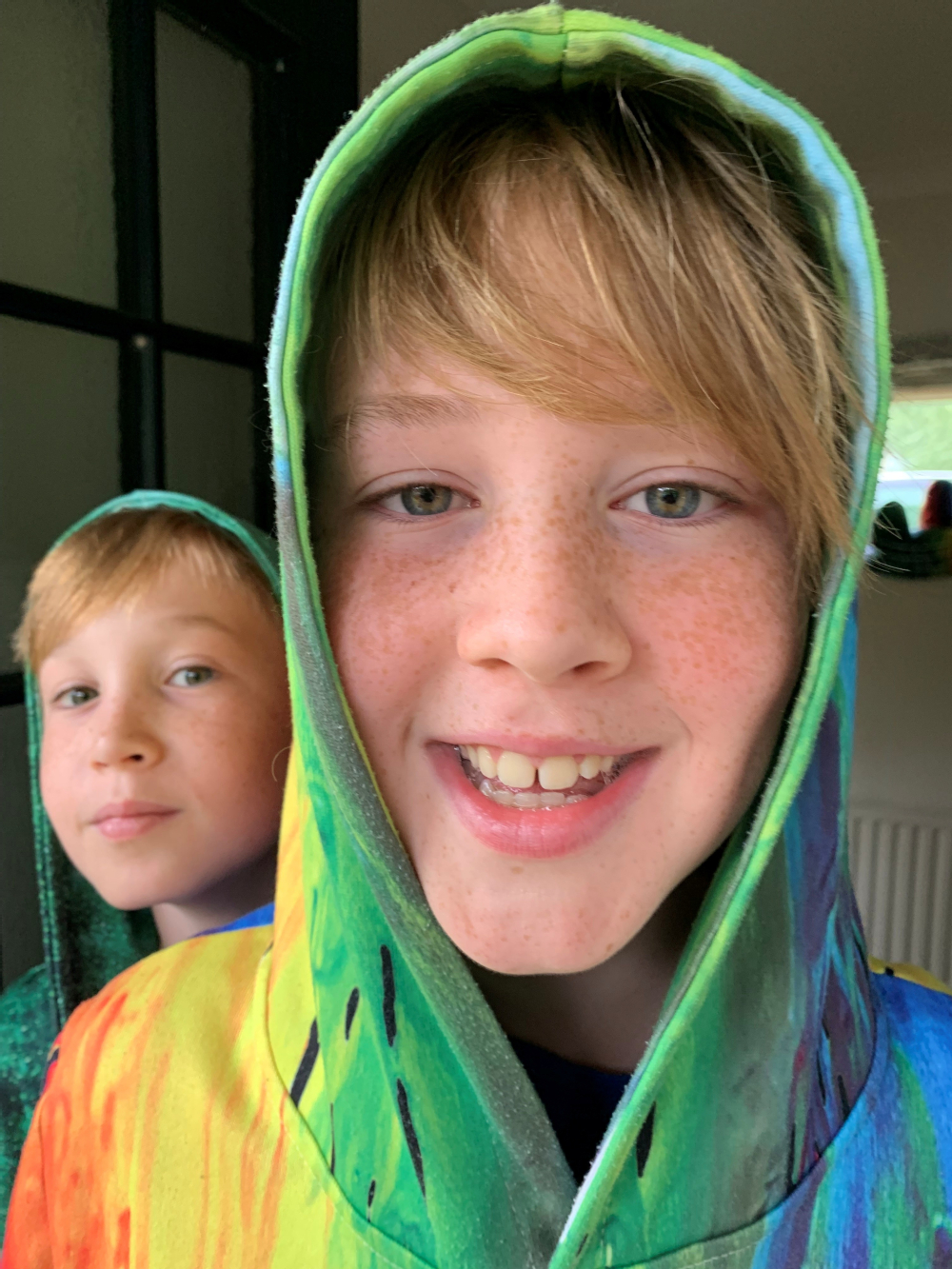
Many adult clients of ours who have experienced colour analysis often say 'I wish I'd done this sooner'. Well, what if that were true and we started to introduce and talk about colour and it's positive effects when our children are really young? What if we can embed the positivity that colour brings to how we look and feel and also how it makes those around us feel? Can this start to have an effect on the way young people feel about themselves as they grow up in a digital world of perceived perfection?
Children and young adults today are growing up in a world of filters and fillers, where looking perfect can feel more important than feeling good. Every swipe, scroll and selfie brings another reminder of what they should look like. The pressure to look flawless has never been higher, or started younger.
But what if the real secret to confidence isn’t a tweak, a treatment or a trend? What if it’s something far simpler, something that celebrates who they already are? Because while technology can edit a photo, it can’t replace the quiet confidence that comes from feeling good in your own skin. And that’s where colour comes in.
Colour analysis is a tool that helps children, teenagers and young adults see themselves clearly. It teaches them how to use colour to enhance their natural features, rather than hide them. It shows them that they don’t need to change their face or body to feel seen, they simply need to understand what makes them shine.
In a world where confidence is often bottled, injected or filtered, this kind of self-knowledge is quietly revolutionary. So this week in The Weekend Read, we'll explore how incorporating colour into young people's lives everyday will start to change the way they feel about themselves.
Why Colour Isn’t Just Pretty Dressing
Some people think of colour as fashion fluff, it's nice, but not important. Glossy magazines chat about it in their 'trends for spring' pages. But we know that colour is so much more than that.
Think about how you feel on a grey February morning when you pull on a bright red jumper. It doesn’t just warm your body, it lifts your mood too. Do you feel a sense of calm when you walk into a room painted soft blue? Colours affect how we feel, how others perceive us and even how our brains process information.
Psychologists have long studied the way colour interacts with emotion. Brighter colours are linked to feelings of energy, optimism and creativity, while muted or darker tones can bring seriousness, calm or even melancholy. It’s why hospitals often paint children’s wards in cheery shades and why corporate suits lean toward navy or charcoal: colour sets the tone.
When the colours you wear harmonise with your natural features, your skin looks fresher, your eyes look brighter and your whole face becomes the star of the show. People don’t notice your outfit first, they notice you.
This is the core of colour analysis. It's not about rules or restrictions, it’s about alignment. Helping someone discover the colours that make them look alive, confident and like the best version of themselves is transformational. For a child, a teenager or a young adult, that discovery can be life-changing.
Little Ones: Planting Seeds of Self-Esteem
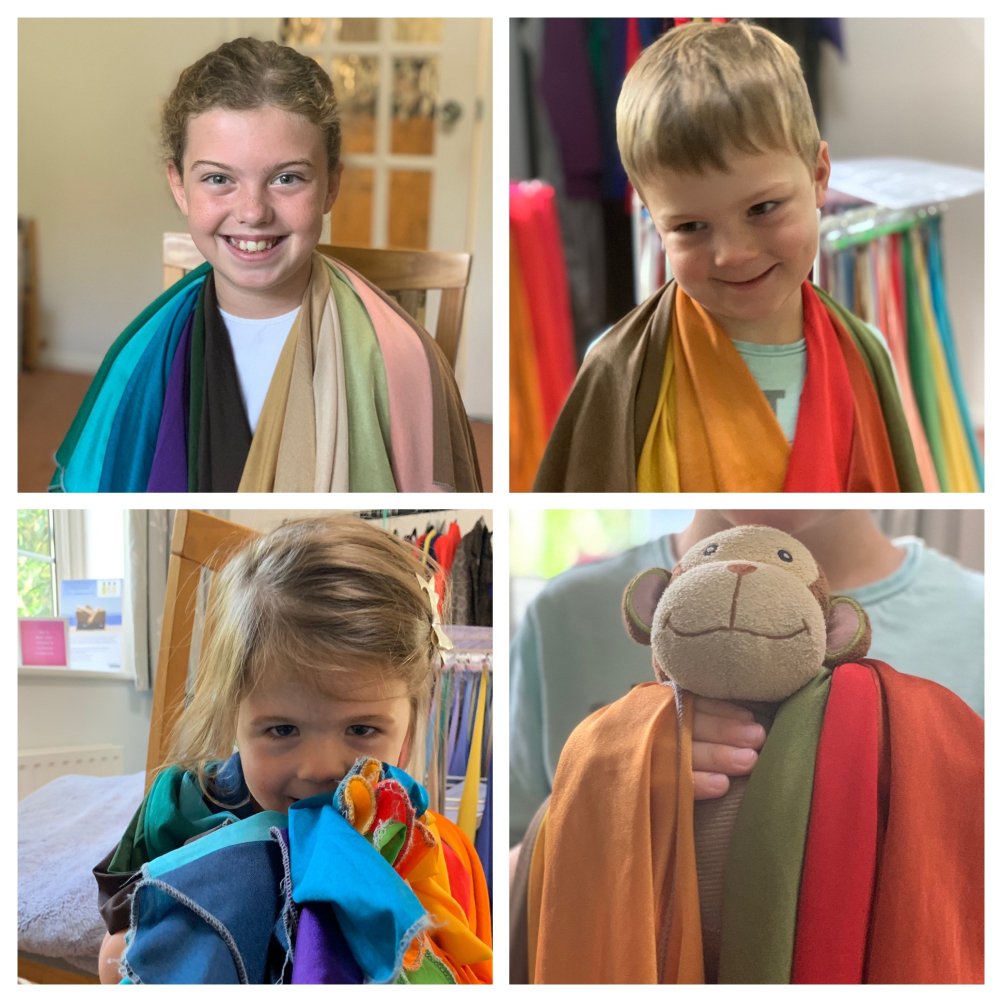
Children love colour instinctively. Give a five-year-old free rein in their wardrobe and they’ll emerge in purple trousers, a dinosaur T-shirt and a neon yellow hat and they’ll look fantastic! Children haven’t yet learned the rules that adults get tangled up in.
Even in primary school, little ones begin to notice how they’re seen. They hear comments like 'you look lovely in that colour', or 'you look tired today'. Those small observations sink in deeply. Imagine the confidence boost if a child hears again and again that they look vibrant, happy and glowing in the colours that naturally suit them. It plants a seed: I am good enough exactly as I am.
At this age, colour analysis is playful. It’s about showing them in the mirror how their eyes sparkle more in turquoise than in airforce blue, or how a coral scarf makes them look sun-kissed even in November. No enforcing rules, no lectures, just exploration. And while the child is busy twirling in front of the mirror, the parent knows something precious is happening: early self-esteem is being gently nurtured.
The Teenage Years
Then comes adolescence. Hormones, TikTok, Snapchat, friendship dramas, the works. If childhood is carefree colour, the teenage years are a fog of self-doubt.
This is the age group most vulnerable to social media’s endless highlight reel. Teens scroll through thousands of pictures a week of so-called perfect lives, perfect bodies and perfect faces which are often edited, filtered or surgically altered. It’s relentless and it makes ordinary, beautiful, natural teenagers feel lacking.
It's a small wonder that cosmetic procedures are on the rise. In the UK, under-25s are increasingly seeking fillers and injectables. Walk down any high street and you’ll see beauty salons advertising lip plumping as if it were as simple as a manicure. And while some treatments are safe, the truth is we don’t have decades of data on the long-term effects of these quick fixes.
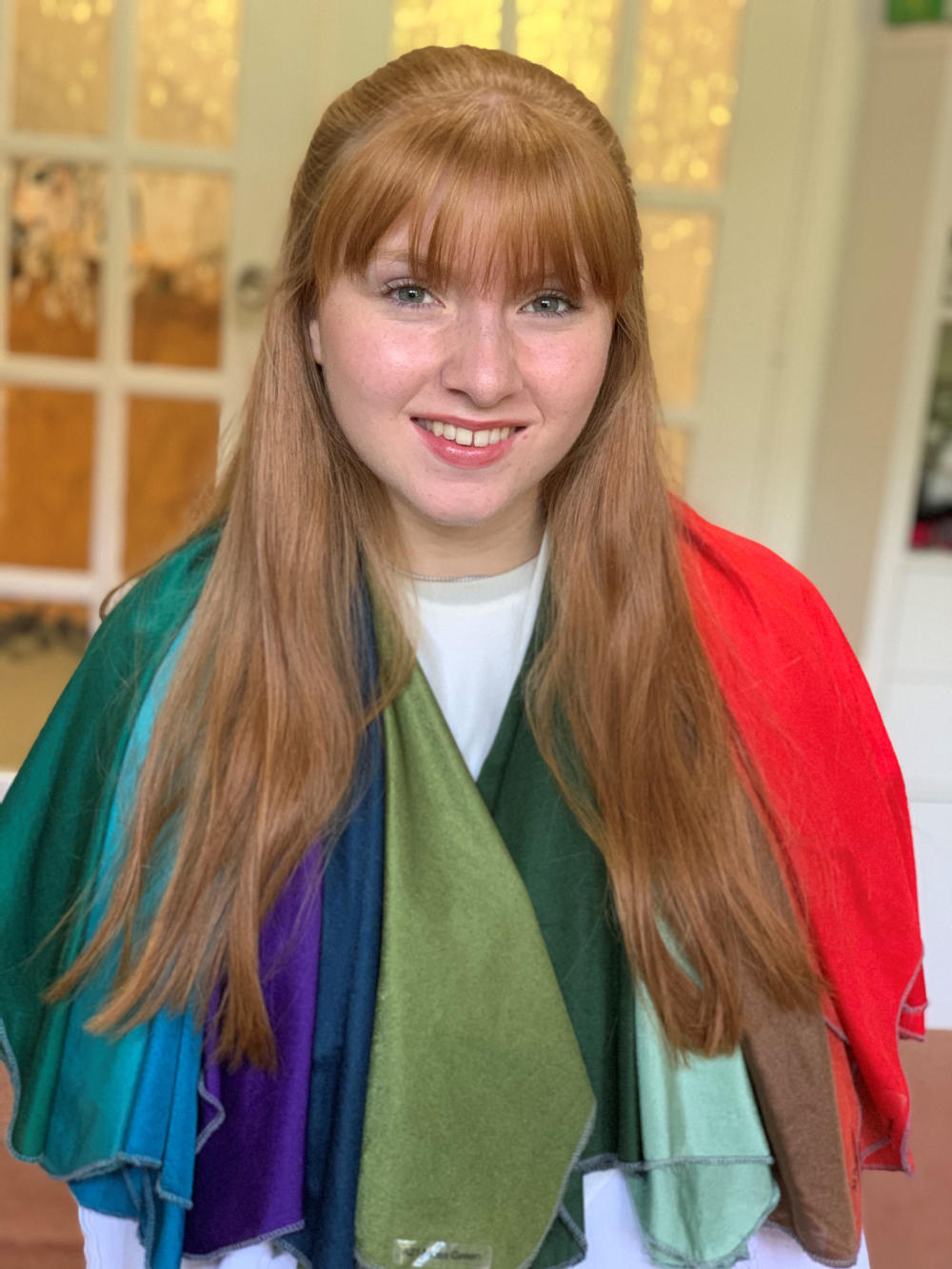
Here’s where colour analysis can offer something radical. It's a way to stand out, feel confident and receive compliments without changing anything about their bodies. Imagine a 16-year-old who discovers that a particular shade of green makes their eyes flash like gemstones or that a deep plum lipstick makes them feel powerful without looking overdone. Suddenly, they’re not copying influencers or hiding behind filters, they’re discovering what works for them.
It’s like giving them a quiet suit of armour. In a world of comparison, colour tells you you already have everything you need to shine.
Young Adults Stepping Into the World
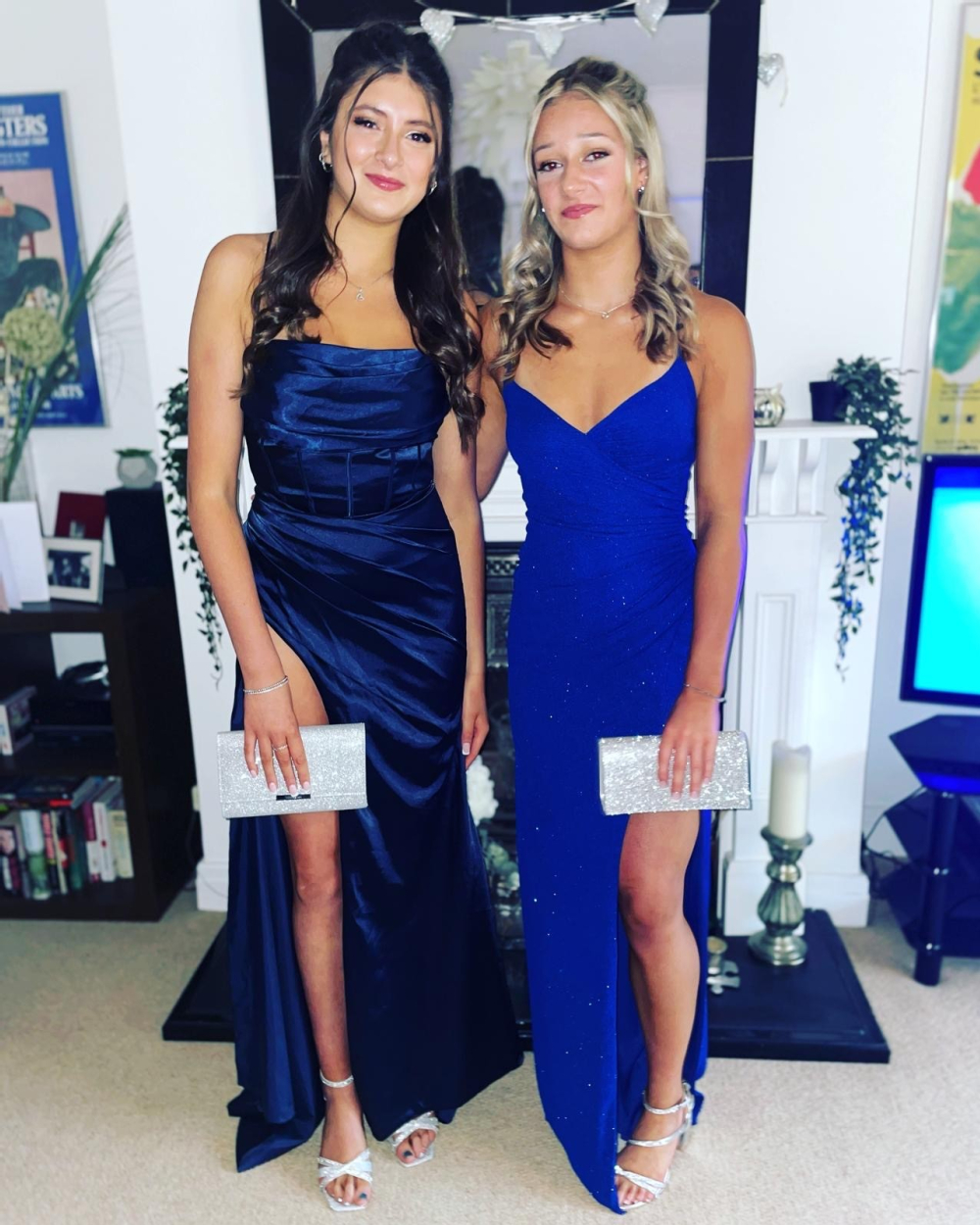
By the late teens and early twenties, the wardrobe isn’t just about parties or prom photos, it becomes a tool for opportunity. Gap year interviews, university presentations, graduate scheme assessments and first jobs: these are moments where first impressions really count.
The advice is often to dress smartly in neutral colours and make conservative choices. Which is fine in theory, but in practice and when not understood, neutral often translates to drab. A pale grey suit can make someone look washed out if it isn’t in their palette, much like a stark black shirt can drain the colour from their face. They look less confident, less energised and less like themselves.
Contrast that with a graduate who walks into an interview in a suit colour that harmonises with their natural tones paired with a tie, a scarf or a blouse in one of their wow shades. The effect is subtle but striking. They look polished, confident and authentic. The panel might not know why this person stands out, but they’ll remember them.
That’s the strategic power of colour analysis for young adults. It’s not about fashion, it’s about communication. It says I’m ready, I know myself and I belong here.
The Psychology of Colour Confidence
Let’s step back from the wardrobe for a moment and think about psychology. For the last few generations, one of the biggest challenges for a young person has been the gap between how they see themselves and how they think others see them. In today's world, Social media makes this gap feel enormous.
Every time a teenager posts a photo and waits for the likes to roll in, their self-esteem is on the line. Studies show that body dissatisfaction and appearance anxiety have skyrocketed amongst the Tik Tok generation. And once cosmetic tweaks become normalised, the unspoken message is that you aren’t enough until you’ve changed something.
Colour analysis offers the opposite message. It says you are enough, right now. You don’t need to change your body, you just need to celebrate it. That’s powerful and it’s also practical. When someone knows their colours, shopping is easier as they buy fewer wrong clothes. Their wardrobe becomes coherent and they spend less time fretting in front of the mirror and more time getting on with life. That practicality feeds confidence too.
And here’s a fascinating little detail from cognitive psychology. When our clothes and colours are in sync with us, the brain experiences less visual disharmony. That means people often feel calmer, more comfortable and more at ease. In other words, the right colours don’t just make us look good, they make us feel good too.
Why Start Early?
You might wonder if there really is a benefit to doing this with children or teenagers. Couldn’t they just figure it out later?
Of course they could. But here’s the thing: the earlier someone learns to see their body as something worth celebrating, the stronger that belief becomes. A teenager who’s spent years hearing 'that colour really lights up your face' is less likely to believe they need lip filler to look alive. A student who knows which suit makes them feel confident is less likely to panic-buy something drab before an interview.
It’s not about vanity, it’s about self-acceptance. The earlier we can sow the seeds of 'I am enough', the more resilient our children will be in a world that constantly tells them they’re not.
Keeping It Light
Now, before you picture a household where children are forbidden from wearing black T-shirts or neon trainers, let’s just pause for a moment. Colour analysis should never be about rules or restrictions. The point isn’t to stop teenagers from experimenting. They will anyway, it's part of the fun and also the point.
Instead, think of colour as a helpful guide, not a prison. It's a map, not a cage. It’s about giving them a toolkit to play with, not a set of commandments. Some days they’ll still wear all black and some days they’ll still clash. And that’s fine, because the point of colour analysis isn’t about achieving perfection, it’s about giving confidence.

A Lifelong Gift
The joy of colour analysis is that once someone learns their palette, they never really forget it. Yes, hair colour and your style choices may change and life stages will bring new needs. But the basic tones that suit them remain a constant.
It means fewer wasted purchases and fewer 'what was I thinking?' outfits lurking at the back of the wardrobe. It means building a wardrobe that lasts, a style that feels authentic and a self-image that doesn’t need constant editing.
At its heart, it means giving a child, a teen, or a young adult the chance to say this: I like who I am, I don’t need to change my body to belong and I just need to let myself shine.
Final Thoughts: The Bigger Picture
We can’t solve the mental health crisis facing young people with colour charts alone. But we can offer one simple, safe, uplifting tool that helps them face the world with confidence.
In an age where comparison is constant and cosmetic quick fixes are everywhere, colour analysis is a gentle rebellion. It allows us to celebrate what we already have instead of carving ourselves into someone else’s ideal.
And maybe, just maybe, if more of our young people grew up believing that they were already enough, we’d see fewer of them queuing outside clinics and more of them stepping boldly into the world where they are lit up, confident and gloriously themselves.
Colour analysis isn’t about fashion, it’s about freedom. Freedom from the need to conform, freedom from the scroll of comparison and freedom from the idea that we’re only valuable if we change. It’s about learning to love what’s already there and giving our children, teens and young adults the tools to show it to the world.
Enjoy your weekend! In next week's The Weekend Read, we'll be talking about personal style and how to celebrate our differences, and the tips and tricks of putting an outfit together.
Best wishes,
Jenny & Judi xx

Jenny Goldsmith
Celebrator of Individuality
Curator of Confidence
Tel: 07986 062460
e: jenny.goldsmith@houseofcolour.co.uk
w: www.houseofcolour.co.uk/jennygoldsmith
Client code: GOLDSMIT for 30% of all webshop prices
Webshop: shop.houseofcolour.co.uk/shop
