January 06, 2026
From Chaos to Calm: The Ultimate Guide to Organising and Decluttering Your Wardrobe
 Maria Macklin | Read in about 4 minutes
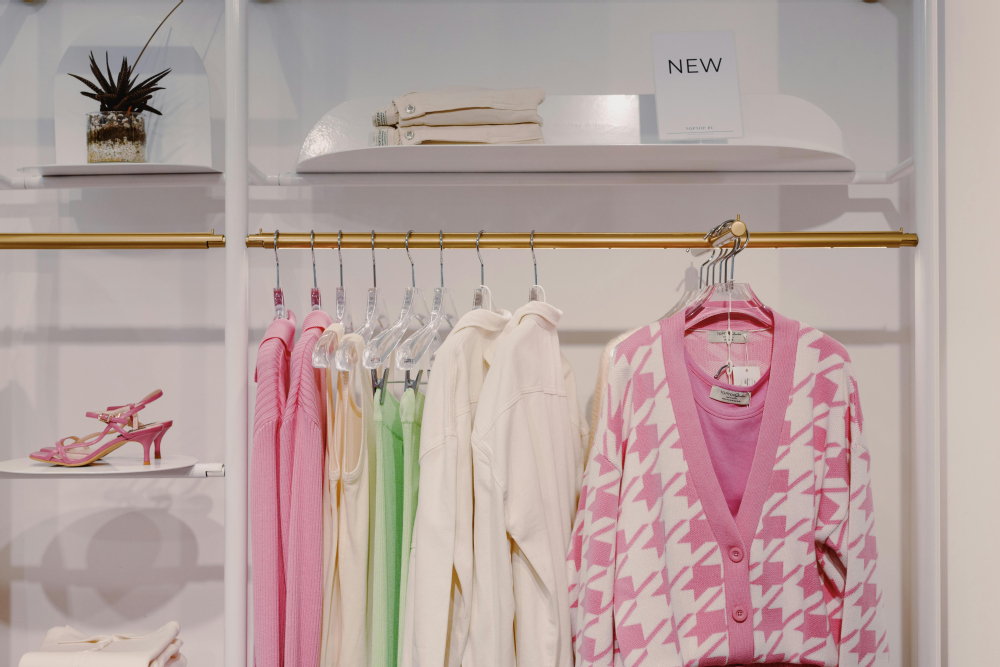
Do you find yourself wearing the same few outfits on rotation despite a wardrobe bursting at the seams? You aren’t alone. While many people estimate they leave about 34% of their clothing unworn, a study of 18,000 households by the removal company Movinga revealed a much harsher reality: a staggering 73% of clothes in the Western world go untouched.
Research suggests we actively wear only about 20% of what we own. The remaining 80% of space is a "graveyard" of items kept in the hope of a future fit, duplicate purchases, or expensive "guilt items" that remain unworn but are too difficult to discard.
The Benefits of a Reset
Decluttering isn't just about clearing the physical space; it’s about restoring mental energy and reducing "decision fatigue"—the exhaustion caused by having too many choices, which can lead to poor judgment and impulsivity. A streamlined, organised wardrobe allows you to:
- Rediscover forgotten gems you’ve overlooked in the chaos
- Identify "gaps" so you stop buying unnecessary duplicates
- Save time and money and make your daily routine more efficient and fun
- Promote sustainability by pivoting away from fast-fashion waste
Your Step-by-Step Guide to Wardrobe Mastery
If the thought of a full-day overhaul is overwhelming, break your declutter into "bite-sized" pieces with this professional roadmap:
1. The Category-a-Day Method
Don't dump everything on the bed at once, as this can lead to overwhelm. Instead, tackle one category per day: coats on Monday, knitwear on Tuesday, and so on. Sort items into four clear groups: Keep, Donate, Sell, and Repair/Alter.
2. The "Six-Month" Rule
Unsure about a specific item? Move it to a separate "maybe" bin for six months. If you haven't reached for it by then, it’s likely time to let it go. For everyday items, a general rule of thumb is: if you haven't worn it in a year, you probably won't wear it again. (Occasion items are treated differently, as you may wear them less often but repeatedly for occasions that demand a smarter dress code. These should be stored together.)
3. Remove the "Guilt" Garments
If an item doesn't fit, remove it from your daily sight. Keeping "aspirational" sizes on view can be disempowering. Dress for the person you are today to boost your current self-esteem and confidence.
4. File, Don't Pile
Once you've pruned the excess, organisation is key. Store like items together, trousers with trousers, dresses with dresses, etc. Use quality wooden or velvet hangers to maintain garment shapes and save up to 50% more space. Utilise drawer dividers and shelf stackers so that all your clothes are visible.
5. Prioritise Your Wardrobe Staples
Instead of a restrictive capsule, focus on building a foundation of wardrobe staples—classic, high-quality pieces like neutral tops, well-fitting jeans, and versatile blazers, in your best colours and styles. These foundational items anchor your outfits, allowing more characterful or "statement" pieces to shine without the clutter. Aiming for around 35 well-chosen pieces can provide hundreds of versatile combinations.
The New Philosophy: "It’ll do, won’t do"
As you curate your collection, adopt a stricter standard for what stays: "It’ll do, won’t do." We often settle for mediocre outfits because they are "good enough," but your clothes should do more than just cover you.
Every day is a special occasion, and you deserve to wear garments that help you look and feel your best. Once you have your great basics in place, add your personality through accessories and statement pieces. Stop saving your favourite items for a "someday" that never comes; if a garment doesn't bring you joy or serve a vital function, it’s time to let it go.
The Bottom Line
A decluttered wardrobe is a shopping list in disguise. Once you see the gaps, you can make intentional, mindful purchases that last for years. By investing in quality over quantity, you aren't just saving money—you're curating a space that is a true extension of your unique personality.